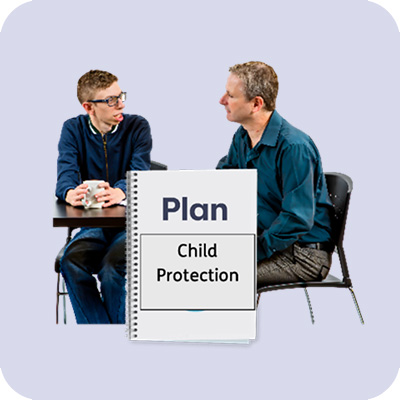
Sometimes parents are asked to have a cognitive assessment as part of the Child Protection process.
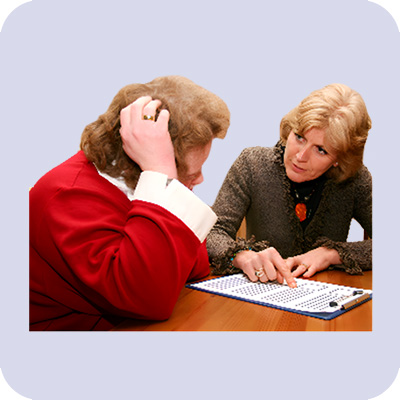
A cognitive assessment will check if someone understands information.
It will check if they can remember information.
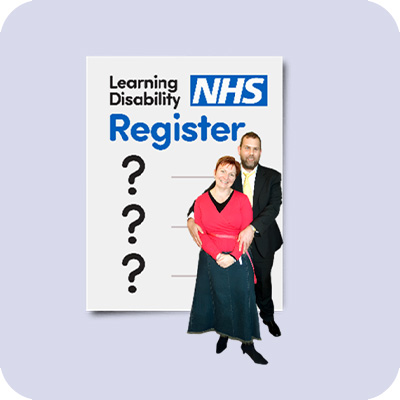
A cognitive assessment can help Children’s Services find out if a parent has a learning or other need.

The assessment will check the parent’s cognitive functioning.
Cognitive functioning is how someone’s brain works. How they think, learn, and remember things.

The assessment will be done by a psychologist or a psychiatrist.

In the assessment the person might do some tests and tasks.
Things like answering questions, writing, puzzles or memory exercises.

A cognitive assessment can help all professionals understand how to support parents.
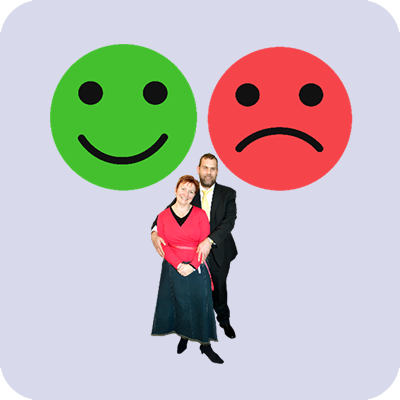
Having a cognitive assessment is voluntary.
Voluntary means it is up to the parent if they want to do the assessment or not.